

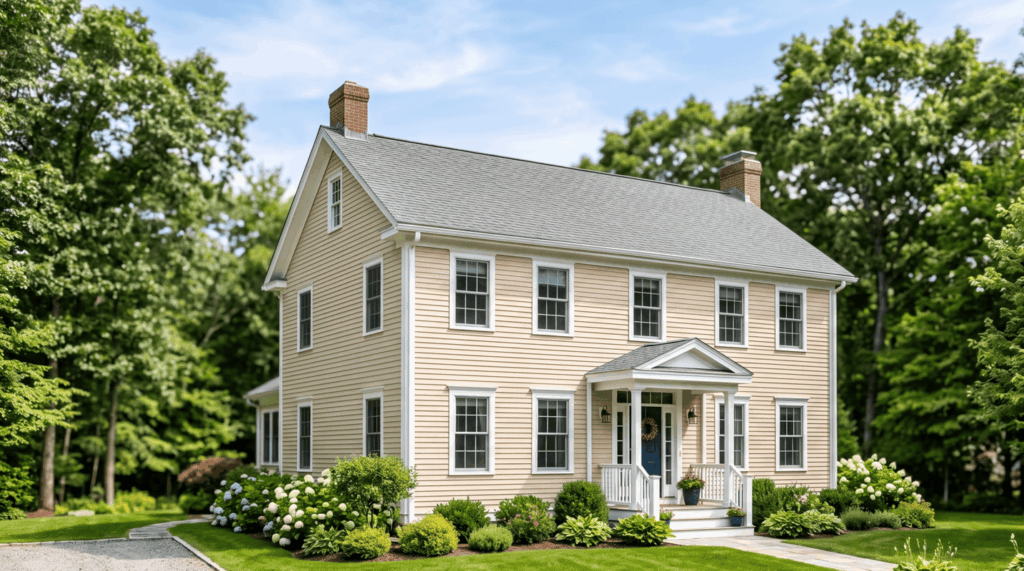
Maintaining the exterior of your property is an ongoing responsibility for any homeowner in New England. Over the course of the year, atmospheric dust, pollen, mold, and coastal salt accumulate on your siding, dulling its color and degrading the underlying materials. When it comes to restoring your home’s exterior, the debate of Pressure Washing vs. Soft Washing is one of the most critical topics you will encounter. Selecting the wrong cleaning technique can result in catastrophic damage, such as stripped paint, cracked vinyl siding, or water forced behind the building envelope into your drywall. Understanding the key differences in the Pressure Washing vs. Soft Washing comparison allows you to make an informed decision that protects your investment while achieving a spotless finish. High-pressure cleaning and low-pressure chemical washing serve completely different purposes, and knowing when to apply each method is the hallmark of a professional maintenance strategy.
Understanding High-Pressure Power Washing and Its Ideal Applications
To evaluate Pressure Washing vs. Soft Washing, we must first define what high-pressure washing actually entails. Traditional pressure washing relies on sheer mechanical force, utilizing water pressurized up to three thousand pounds per square inch (PSI) or higher to blast away stubborn contaminants. In the context of Pressure Washing vs. Soft Washing, high pressure is exceptionally effective on hard, non-porous surfaces that can withstand intense impact. For instance, cleaning concrete driveways, stone patios, brick walkways, and unpainted masonry requires the heavy-duty power that only traditional pressure washing can provide. However, using high pressure on delicate residential siding—such as cedar shakes, vinyl panels, or painted wood—is a dangerous mistake. Excessive water force can gouge soft wood fibers, break the seals on windows, and blast water straight past the overlapping seams of siding panels. When water gets trapped behind the siding, it creates an invisible breeding ground for internal mold and rot that ruins insulation and interior plaster. Therefore, in the analysis of Pressure Washing vs. Soft Washing, high pressure should be reserved strictly for hardscapes and dense, durable surfaces.
The Superior Safety of Low-Pressure Soft Washing for Siding
When addressing delicate house siding, the Pressure Washing vs. Soft Washing debate strongly favors the soft washing approach. Soft washing replaces raw water pressure with specialized, eco-friendly cleaning solutions applied at a very low pressure—often comparable to the force of a standard garden hose (under five hundred PSI). In the Pressure Washing vs. Soft Washing framework, soft washing works by letting chemistry do the heavy lifting rather than mechanical force. The biodegradable cleaning agents penetrate deep into the porous surfaces of your siding, killing organic growth like mold, algae, lichen, and mildew at the root level. According to environmental health standards like the EPA guidance on mold control, eliminating spore colonies completely is vital to preventing immediate regrowth. Soft washing sanitizes the surface safely without risking any structural damage to wood trim, delicate stucco, or vinyl panels. Moreover, because soft washing uses gentle water streams, there is zero risk of forcing moisture behind your home’s protective barrier, making it the absolute safest choice for full-house exterior washing.
How to Choose the Right Method for Your Exterior Maintenance
Deciding between the two options in the Pressure Washing vs. Soft Washing dilemma requires evaluating the specific materials that make up your property. A comprehensive exterior restoration project often combines both techniques to achieve optimal results across different surfaces. For example, a professional team will utilize soft washing for your house’s main structure, dormers, and gutters, while transitioning to high-pressure washing for the concrete garage apron and brick front steps. To ensure your home receives the safest care possible, follow this ordered checklist when planning your next exterior maintenance service:
- Inspect Your Siding Material: Determine whether your exterior consists of delicate wood, vinyl, stucco, or hard masonry before choosing a washing method.
- Identify the Contaminants: Differentiate between surface dirt that requires rinsing and deep-seated mold that demands specialized cleaning solutions.
- Check for Existing Structural Vulnerabilities: Look for cracked boards, loose caulking, or damaged paint that high pressure could exacerbate.
- Verify the Equipment and Solutions: Ensure your contractor uses specialized low-pressure nozzles and biodegradable soaps for soft washing tasks.
- Protect Surrounding Landscaping: Confirm that all plants, shrubs, and outdoor furniture are properly covered or pre-rinsed before applying cleaning agents.
- Schedule During Optimal Weather: Choose dry, calm days to allow the cleaning solutions to work efficiently without high winds dispersing the spray.
- Hire Experienced Local Professionals: Select a trusted company with a proven track record of safe exterior washing in your specific area.
Selecting the right partner for your exterior cleaning needs ensures that your property remains visually stunning without compromising its structural integrity. The debate of Pressure Washing vs. Soft Washing ultimately highlights the importance of matching the technique to the surface material. By utilizing low-pressure soft washing for your house siding and reserving high pressure for tough hardscapes, you preserve your siding, protect your paint, and keep your home looking its best. If your home’s exterior is ready for a thorough, safe renewal, contact New England Home Repairs today. Our experienced team delivers precision cleaning tailored to your property’s unique materials, protecting your investment for years to come.